NEWFree DevSecOps readiness check — score your pipeline in 60 seconds.Run it →

We are a DevSecOps & Cloud Infrastructure company.

We build and harden the delivery pipelines, AWS platforms, and Linux estates that regulated teams depend on — with security and compliance automated in from day one.

Built for STIG, CIS and FedRAMP environments

Pipeline · prod-deploy
01Dependency scanPass
02Container image scanPass
03IaC policy checkPass
04CIS benchmark drift2 findings
05Evidence captureRunning
Controls automated142 / 148
AWS
Terraform
Kubernetes
Docker
Ansible
Red Hat
ArgoCD
Prometheus
Grafana
GitHub
The bottleneck

Security is where delivery goes to die.

Not because teams don't care about it — because it arrives at the end, by hand, from a different department, on a deadline nobody planned for.

Your pipeline ships in minutes. Your security review takes six weeks.

Reviews queue behind a person, not a process. Delivery velocity stops mattering the moment a release waits on a spreadsheet.

Every environment drifts. Nobody can say which ones are still compliant.

A host gets patched out of band, a policy gets loosened "temporarily," and the gap between documented and actual widens quietly.

Then the audit lands, and evidence gets assembled by hand.

Engineers stop building for three weeks to screenshot control states the pipeline should have been emitting all along.

It doesn't have to work this way. Every one of those is an automation problem.

Free · no signup to start

How production-ready is your delivery pipeline?

Eight questions, about sixty seconds. You get a scored readiness profile across the four areas auditors and incident reviews actually probe — plus the one that's costing you most right now.

Question 1 of 8 Pipeline Security

Are security scans — dependency, container, and static analysis — enforced as gates that can actually block a release?

0
Not started
Readiness score / 16
Answer the questions to build your profile. Nothing is sent anywhere until you choose to send it.
Send me the roadmap

A six-page PDF mapping each gap to a specific control, the effort to close it, and the order to do it in. No newsletter.

What we do

Six practices, one operating model.

Cloud migration, DevSecOps, compliance, platform engineering, and Linux systems — delivered as engagements that leave your team able to run what we built.

Engineers reviewing a delivery pipeline on screen

DevSecOps Automation

Security embedded in every stage of delivery, enforced by the pipeline rather than by policy documents.

  • CI/CD pipeline design
  • Trivy, Checkov, SAST integration
  • Vulnerability management workflows
  • Shift-left practices
Data centre aisle with an engineer at work

Cloud Engineering & Migration

Scalable, cost-controlled AWS platforms — and a migration path that doesn't need a weekend outage.

  • AWS architecture and migration
  • Terraform infrastructure as code
  • Docker and Kubernetes
  • Cost optimization
Team reviewing a platform architecture diagram

Platform Engineering

Internal platforms that let developers self-serve infrastructure without filing a ticket or learning Terraform.

  • GitOps with ArgoCD and Flux
  • Internal developer platforms
  • Environment standardization
  • Self-service infrastructure
Security analyst monitoring compliance dashboards

Cloud Security & Compliance

Meet the framework without slowing delivery. Evidence gets produced by the pipeline, continuously.

  • STIG and CIS benchmark implementation
  • Threat detection integration
  • Compliance automation
  • Audit preparation
Engineer working on Linux server infrastructure

Linux Systems Engineering

Enterprise Linux estates built for uptime, patched on a schedule you can actually evidence.

  • RHEL, CentOS, Red Hat Satellite
  • High-availability architectures
  • Automated patching
  • Performance optimization
Mentoring session reviewing technical material

Linux Training & Mentoring

Hands-on preparation for engineers moving into Linux systems and platform roles.
  • RHCSA and RHCE exam preparation
  • Real-world lab exercises
  • Resume and interview coaching
  • Career transition support
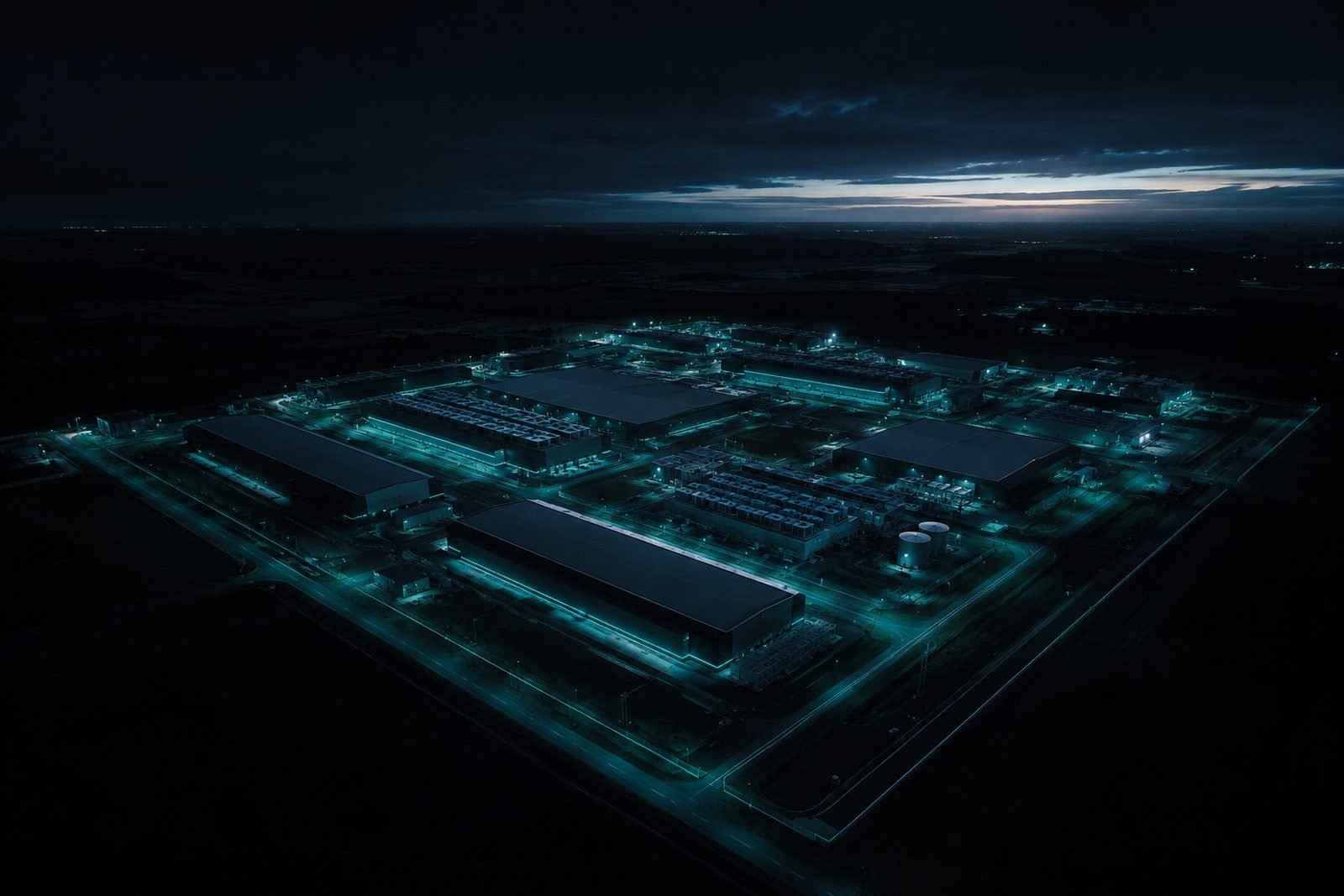
Aerial view of a data centre campus at dusk
Track record

Numbers from the work, not the brochure.

Opsentriq is new. The experience behind it is not — a decade of DevSecOps and Linux engineering delivered inside financial services, medical devices, and federal programs.

60%
Faster releases through shift-left CI/CD, with zero critical security issues post-deployment
Federal systems integrator
1,000+
Systems brought under automated vulnerability assessment and patching
Public sector cloud program
66%
Reduction in deployment time after moving to GitOps workflows with ArgoCD
Public sector cloud program
99.99%
Uptime sustained on high-availability architectures with automated failover
Cloud services provider

Where that experience comes from

Senior Software Engineer
MetroStar
Automated container and IaC security scanning with Trivy and Checkov, cutting vulnerability detection time by 40%. Built shift-left pipelines delivering 60% faster releases with zero critical post-deployment findings.
2024 — present
Senior Systems Engineer
Planet Technologies
Led enterprise vulnerability assessment across 1,000+ systems with automated patching, cutting security incidents by 60%. Deployed Splunk across 150+ servers and delivered internal DevOps training to engineering teams.
2024
Cloud Engineer
Axle
Cut AWS operating costs 20% while improving availability 15%. Ran containerized workloads through 50% user growth and built HA architectures sustaining 99.99% uptime.
2021 — 2024
Cloud Engineer
Capital One
Secured AWS environments across IAM, ECS, and VPC, and migrated 35+ legacy applications to cloud-native infrastructure — cutting downtime 40% and deployment errors 30%.
2018 — 2020
Linux Engineer
Boston Scientific
Enforced STIG and CIS benchmarks across 100+ RHEL and CentOS servers, lifting audit compliance 30% while holding 99%+ uptime on regulated medical-device platforms.
2016 — 2018
Red Hat Certified Engineer — RHCE
Red Hat Certified System Administrator — RHCSA
How we work

Four phases. No surprises in the invoice.

Every engagement is scoped to your environment and constraints. The sequence, however, doesn't change.

PHASE 01

Discover

Assess the current state — pipelines, environments, controls, and the gap between what's documented and what's actually running.

PHASE 02

Design

Architect against your real constraints: budget, headcount, regulator, and the systems you can't turn off.

PHASE 03

Build

Implement with automation and security from the first commit. Everything lands as code and gets reviewed.

PHASE 04

Operate

Support, tune, and hand over — with your team trained to run it without us on the call.

For engineers, not employers

Learn Linux from someone who runs it in production.

Small-cohort, lab-heavy training for people moving into Linux systems and platform engineering roles — taught by an RHCE-certified engineer who has hardened these systems inside banks, hospitals, and federal programs.


RHCSA exam preparation8 weeks
RHCE exam preparation10 weeks
Real-world lab environmentIncluded
Resume & interview coaching1-on-1
Engineer working at a Linux terminal
Abdul Karim Jalloh, founder of Opsentriq LLC
Abdul Karim Jalloh Founder · RHCE · RHCSA
Who we are

Opsentriq LLC

Founded by Abdul Karim Jalloh, a senior DevSecOps engineer who spent a decade integrating security into delivery pipelines and hardening Linux estates for organizations that answer to regulators.

Opsentriq exists because that work shouldn't require an enterprise budget. The practices are the same ones used inside Fortune 500 and federal environments — sized for teams that don't have a platform department.

Mission-driven

Every solution is aligned to a business objective you can name, not a technology we happen to like.

Automation first

Manual toil gets eliminated, not documented. Every repeatable task becomes code.

Security by design

Embedded from day one. Never bolted on before an assessment.

Knowledge transfer

We train your team alongside the build, so self-sufficiency is the deliverable.

Get in touch

Tell us what's slowing you down.

A 30-minute call, no pitch deck. You'll leave with at least one thing you can fix yourself.

Based in
Washington DC — Baltimore area
Response time
Within one business day
Engagements
Project, retained, and fractional